


Origin Logistics in China — Cargo control before shipment.
Physical and documentary cargo management in China between supplier handoff and export terminal delivery. Operational base in Guangzhou.
Origin logistics covers everything that happens in China between factory release and container or air-cargo handoff. It is not a secondary stage — it is where most future destination problems are created if control is missing.
The stage that creates the most problems and gets the least attention.
In China import operations, focus usually stays on ocean/air freight and destination customs. Those are visible checkpoints. What happens between supplier release and export terminal handoff — origin logistics — often remains unmanaged until something fails.
And when that stage fails, importers usually find out weeks later at destination, when freight is already paid and correction windows are far more expensive.
Origin logistics does not create dramatic headlines. It creates silent costs: delays, shortages, and documentation errors discovered too late. Poly manages this stage from Guangzhou because physical presence in China is the only way to manage it with real control.

A missing unit detected in Guangzhou can be solved with one supplier call. The same missing unit discovered at destination means paid freight, cleared customs, and a difficult claim process.
An importer can send instructions to a supplier. They cannot verify execution before container closing from another continent. Origin logistics requires physical presence where the cargo is.
Six physical and documentary operations before cargo leaves China.
Origin logistics is not a concept — it is an operational sequence that Poly executes in Guangzhou between supplier handoff and export terminal delivery.
Supplier Receiving
Physical quantity and condition verification at handoff. We coordinate delivery from factory to consolidation warehouse in Guangzhou and log any discrepancy against packing list.
LCL Consolidation
Cargo grouping with compatible shipments under direct operational control in Guangzhou. Ideal when shipment volume does not justify a full dedicated container.
Pre-Shipment Warehousing
Temporary custody when production and shipment windows are not aligned, with basic inventory control and dispatch preparation.
Cross-Docking
Direct transfer from receiving point to shipping stage without intermediate storage, reducing origin dwell time and storage cost.
Export Documentation
Supplier coordination to ensure correct documentation before departure: commercial invoice, detailed packing list, and certificates of origin when required.
Terminal Handoff Coordination
Domestic transfer from warehouse to export terminal within carrier cut-off constraints, with cut-off validation and operational buffer management.
Operational scope of Poly’s origin logistics.
What Poly handles
Cargo reception and verification from suppliers across China.
LCL consolidation in Guangzhou under direct operational control.
Temporary pre-shipment warehousing and dispatch preparation.
Cross-docking when production and shipment windows align.
Export document coordination: invoice, packing list, and origin certificates when required.
Domestic transport coordination to export terminal within carrier cut-off times.
Operational handoff between supplier, consolidation warehouse, and freight forwarding.
What is out of scope
Long-term warehousing or permanent inventory management.
Technical quality audits or lab testing.
Commercial buying/selling negotiation with suppliers.
Commercial claims and returns management.
Destination-country fulfillment and final-mile distribution.
Export customs brokerage in China (exporter/supplier responsibility).
Cargo insurance (can be coordinated separately).
Operational note: When origin logistics and freight forwarding are both managed by Poly, the same Guangzhou team controls the cargo from supplier reception to shipment confirmation without cross-operator information gaps.
Sectors with active origin logistics operations from China.
Origin logistics is especially critical where packaging, quantity, or documentation errors create immediate commercial impact at destination.
See all sectorsTextiles & Fashion
Multi-SKU orders tied to strict seasonal windows. Quantity checks by SKU at origin are critical: a shortage in one key size can trigger non-recoverable stockouts.
Retail & FMCG
High-volume orders linked to fixed inbound calendars for distribution channels. Origin control ensures cargo departs within the exact window your launch plan requires.
Private Label
Products with custom branding, labeling, and packaging. Origin verification confirms the shipped lot matches the approved specification and is not mixed with other factory orders.
Industrial Machinery & Equipment
Multi-reference orders where identification accuracy is mission-critical. One wrong component in the container can halt a production line at destination.
Industrial Components
Equipment and installation components that must arrive complete. Pre-shipment warehousing is often needed to synchronize all order components before dispatch.
Construction Materials
High-volume cargo where production and shipment windows often drift. Temporary warehousing in Guangzhou prevents avoidable destination port storage costs from early arrivals.
Five advantages of having your logistics operator where your cargo actually is.
Origin logistics requires physical presence. The key differentiator is not software or pricing — it is having your operations team in Guangzhou, in the supplier’s same time zone and execution context.
Physical verification before cargo enters the container.
The only way to know whether a packing list matches reality is to open cartons and count. That cannot be done remotely. Poly does it in Guangzhou at receiving.
Real-time issue resolution with suppliers.
When receiving discrepancies appear — shortage, wrong packaging, wrong SKU — the Guangzhou team engages the supplier immediately in the same operating window.
Frictionless handoff to freight forwarding.
When origin logistics and freight forwarding are coordinated by the same team, cargo moves from warehouse to export terminal without file-transfer gaps or documentation drift.
Lower total operating cost.
Problems detected at origin cost a fraction of what they cost at destination: port storage, reshipping, and commercial claims. One prevented incident often pays for origin control.
Document visibility before departure, not after.
Importers receive verified status from operations: confirmed quantities, packaging condition, resolved discrepancies, and reviewed documentation before vessel departure.
Origin logistics is the middle layer of an integrated operation.
Origin logistics controls what happens between supplier release and export terminal handoff. Business representation works upstream, freight forwarding works downstream, and pre-shipment inspections provide parallel verification before departure.
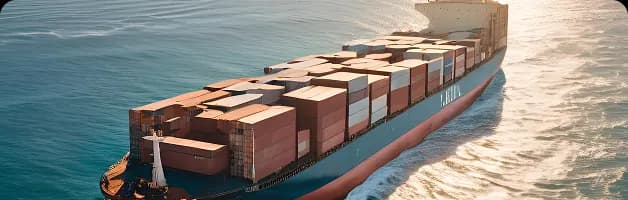
Freight Forwarding
International transport from export terminal to destination port. When coordinated with origin logistics by the same Guangzhou team, cargo handoff stays operationally and documentally aligned.
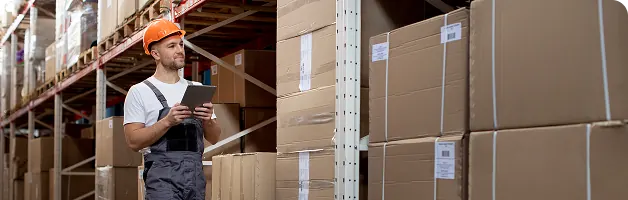
Pre-Shipment Inspections
Physical verification at supplier or warehouse before container closing. It complements origin logistics with visual evidence and a shipment authorization checkpoint before departure.

Business Representation
On-the-ground operational representation for importers without local structure in China. It manages supplier coordination before goods enter the origin logistics flow.
Six operating stages between supplier and export terminal.
Before any physical movement starts, Poly confirms with the importer the order baseline: dates, quantities, SKUs, and any special packaging or documentation requirements.
Poly coordinates directly with suppliers on delivery date to consolidation warehouse, export-ready packaging conditions, and required export documentation.
Direct Mandarin coordination in the supplier’s operating window from Guangzhou.
At warehouse receiving in Guangzhou, Poly verifies quantities against packing list, packaging condition, and overall cargo status. Any discrepancy is logged and escalated immediately.
Based on the selected mode, Poly executes controlled LCL consolidation, pre-shipment storage with basic inventory control, or direct cross-docking when timing aligns.
Poly reviews export documentation with the supplier: commercial invoice, detailed packing list, and certificates of origin when required — before container closing.
Document errors are among the most frequent causes of customs delays. Origin-stage review is where they can be corrected with minimal cost.
Poly coordinates domestic transport in China from consolidation warehouse to export terminal, validating carrier cut-off times and preserving enough operational buffer to protect booking windows.
In integrated operations, this handoff is synchronized with the same operator’s freight team — no cross-company transfer and no origin-transit blind spots.
Errors that start in China and are discovered too late at destination.
Most import failures from China are not transport failures. They are origin-preparation failures discovered after departure, when correction costs are significantly higher.
Packing list mismatch versus actual container content
Shortages, overages, or wrong SKUs are then discovered only at destination when the importer opens the container.
Poly logs discrepancies and resolves them with the supplier before cargo is loaded.
Packaging not fit for international ocean transit
Packaging may not withstand 30–38 days at sea with humidity, vibration, and variable temperature, resulting in damaged goods on arrival.
Poly coordinates structural reinforcement, moisture protection, and correct markings before container closing.
Missed shipment window due to unmanaged supplier delay
Cargo misses the vessel, and the importer absorbs extra storage cost in China plus downstream schedule impact.
Poly validates cargo status ahead of cut-off and can trigger alternative windows before the booking is lost.
Export documentation errors causing customs holds
The issue starts in China but is discovered at destination weeks later, when importer control is limited.
Poly coordinates and validates invoice, packing list, and origin certificates before final confirmation.
Mixed or poorly segregated cargo in LCL containers
Importers receive incorrect cargo or face additional delays from misidentification at destination CFS.
Each client’s cargo is segregated, identified, and documented individually within the shared container.
Production-shipment mismatch creating destination storage cost
Cargo arrives before importer readiness, generating avoidable port storage costs at destination.
Poly protects the destination timeline and helps avoid avoidable storage charges.
Does your China operation need cargo control before shipment?
Not every import operation needs the same depth of origin control. We assess your cargo profile, supplier setup, shipment frequency, incident history, and production-to-shipment timing to determine whether origin logistics should be activated and which operation blocks are required.